

Exploring the future where AI empowers individuals
Personal AI agents are the next evolution of artificial intelligence, moving beyond assistants to fully autonomous systems that manage daily tasks, decisions, and routines.Personal AI Agents (PAIAs) represent a significant evolution beyond human secretaries and digital voice assistants, poised to revolutionize daily life through advanced automation. Experts predict that within a decade, a substantial portion of mundane, repetitive chores will be handled by these sophisticated, autonomous entities, leading to increased efficiency, expanded free time, and proactive home management.
Understanding Personal AI Agents (PAIAs)
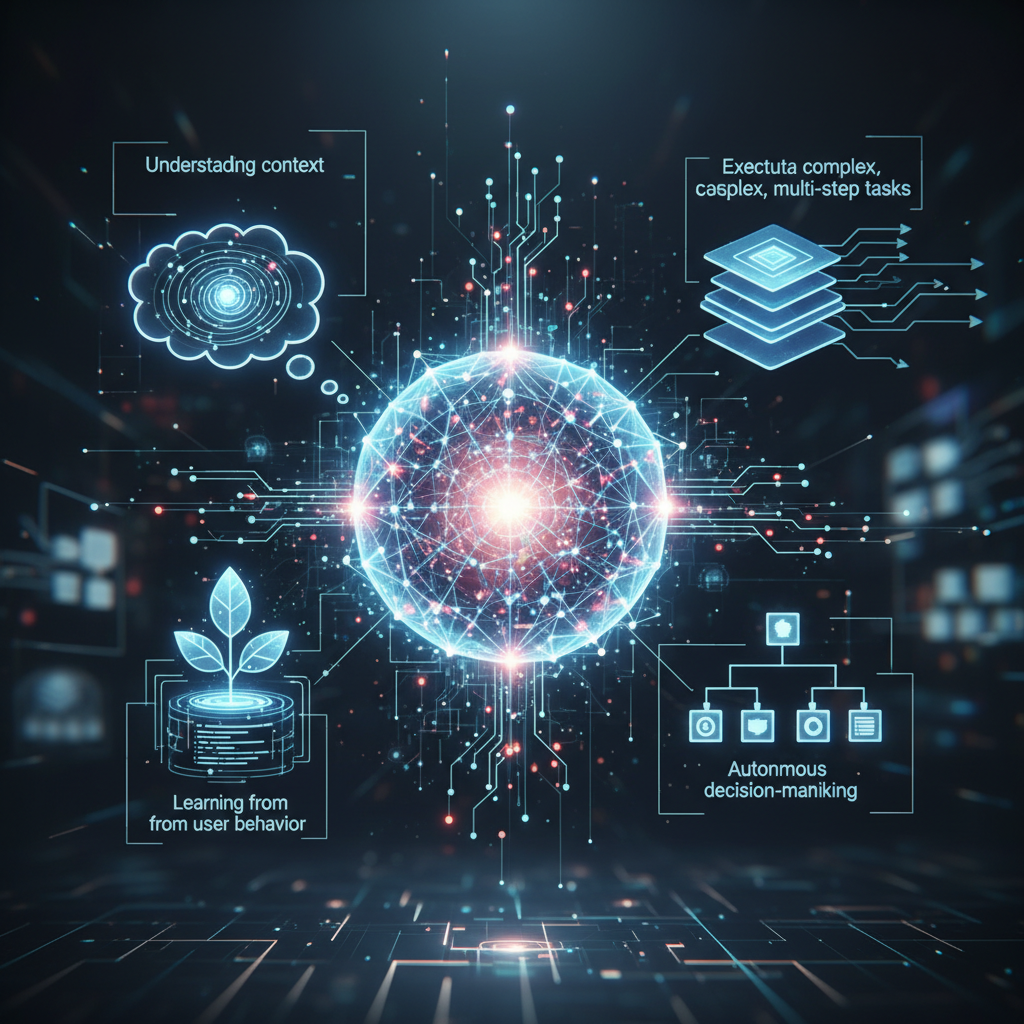
PAIAs are distinct from traditional AI assistants and chatbots due to their higher degree of autonomy and intelligence. Their core capabilities include:
- Acting on Information and Understanding Context: PAIAs process data and understand the nuances of requests, environments, and action implications, synthesizing information for informed decisions.
- Learning from User Behavior: They continuously observe and analyze user habits, preferences, and routines to adapt and personalize services intuitively without explicit programming.
- Autonomous Decision-Making: PAIAs can make independent decisions within defined parameters, initiating actions based on learned patterns or anticipated needs.
- Executing Complex, Multi-Step Tasks: They can coordinate intricate tasks, such as managing an entire travel itinerary (flights, hotels, car rentals, personalized schedules), handling all interconnected details seamlessly.
Automation of Daily Chores and Routines by AI Agents
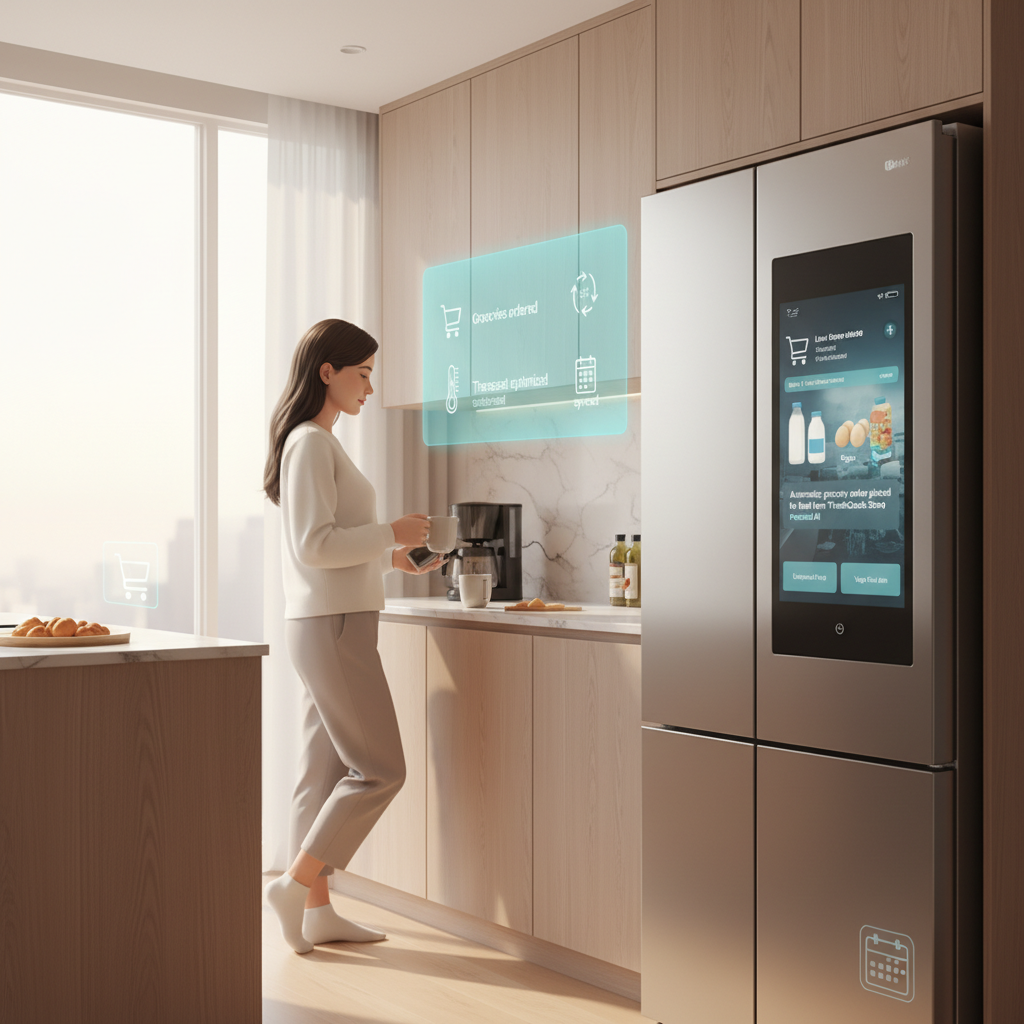
PAIAs will automate various aspects of daily life:
- Household Management and Organization: They will track household routines, inventory needs (groceries, supplies), suggest or order replenishments, and adjust schedules, sending timely reminders for appointments and payments.
- Communication and Scheduling Mastery: PAIAs can triage inboxes, draft replies, prioritize communications, and automate meeting scheduling by integrating with calendars.
- Smart Shopping and Errands: They will anticipate shopping needs, make proactive purchases, check budgets, and negotiate prices. For example, a smart fridge low on milk could trigger an automatic order via the PAIA.
- Advanced Smart Home Integration and Control: Evolving from simple voice assistants, PAIAs will intelligently control thermostats, security systems, and all smart home devices based on user presence, preferences, and environmental factors.
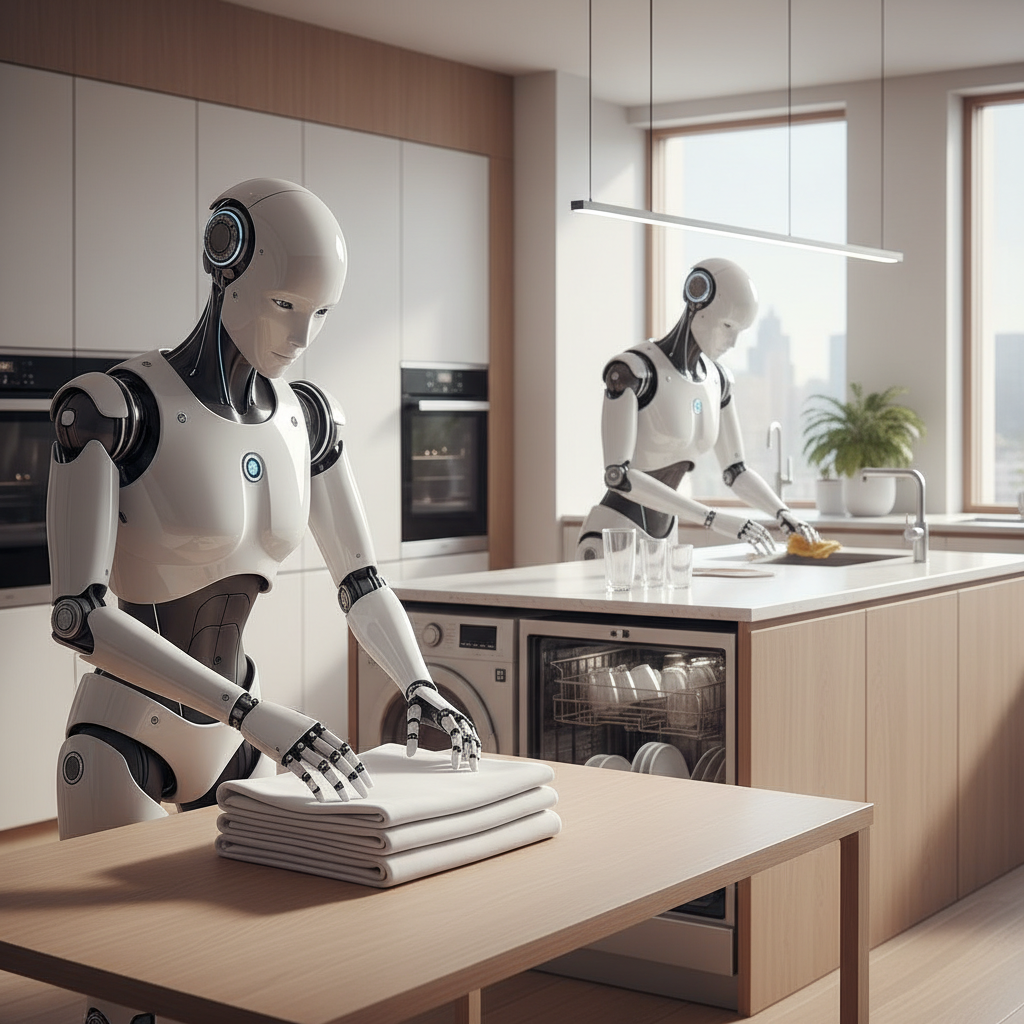
- Automated Cleaning and Physical Assistance: Beyond robotic vacuums, smart appliances will become standard, and emerging humanoid robots are expected to perform physical tasks like dishwashing, laundry folding, and meal preparation.
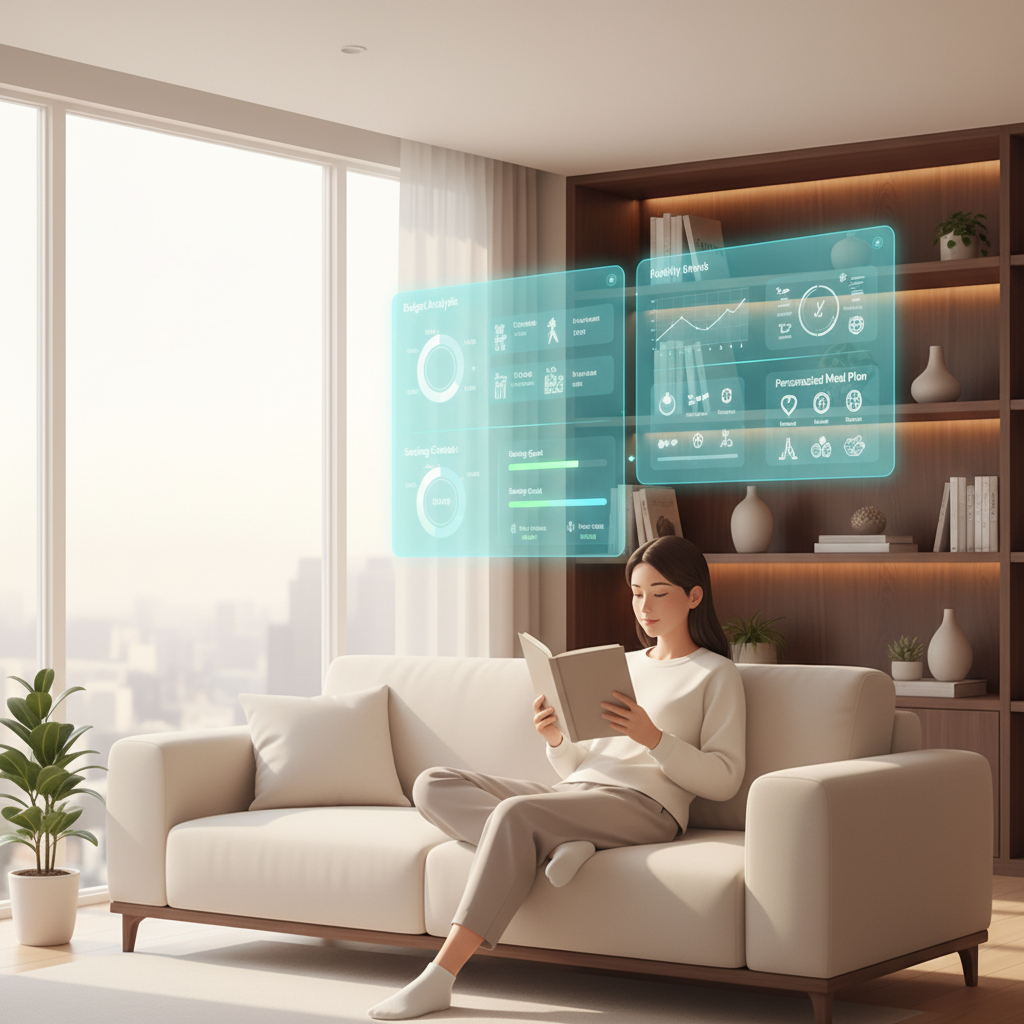
- Personal Finance Management: PAIAs will track finances, analyze spending, identify savings opportunities, and alert users to unusual activity, offering insightful financial advice.
- Health and Wellness Support: They will optimize health journeys with personalized workout schedules and meal plans, integrating with wearables to monitor activity, sleep, and vital signs, offering proactive recommendations.
Key Technologies Powering Personal AI Agents
The sophistication of PAIAs relies on several cutting-edge technologies:
Foundational AI Models:
- Large Language Models (LLMs): Provide reasoning, planning, and natural language understanding/generation capabilities.
- Large Multimodal Models (LXMs): Process information across text, voice, image, and video for richer environmental interpretation.
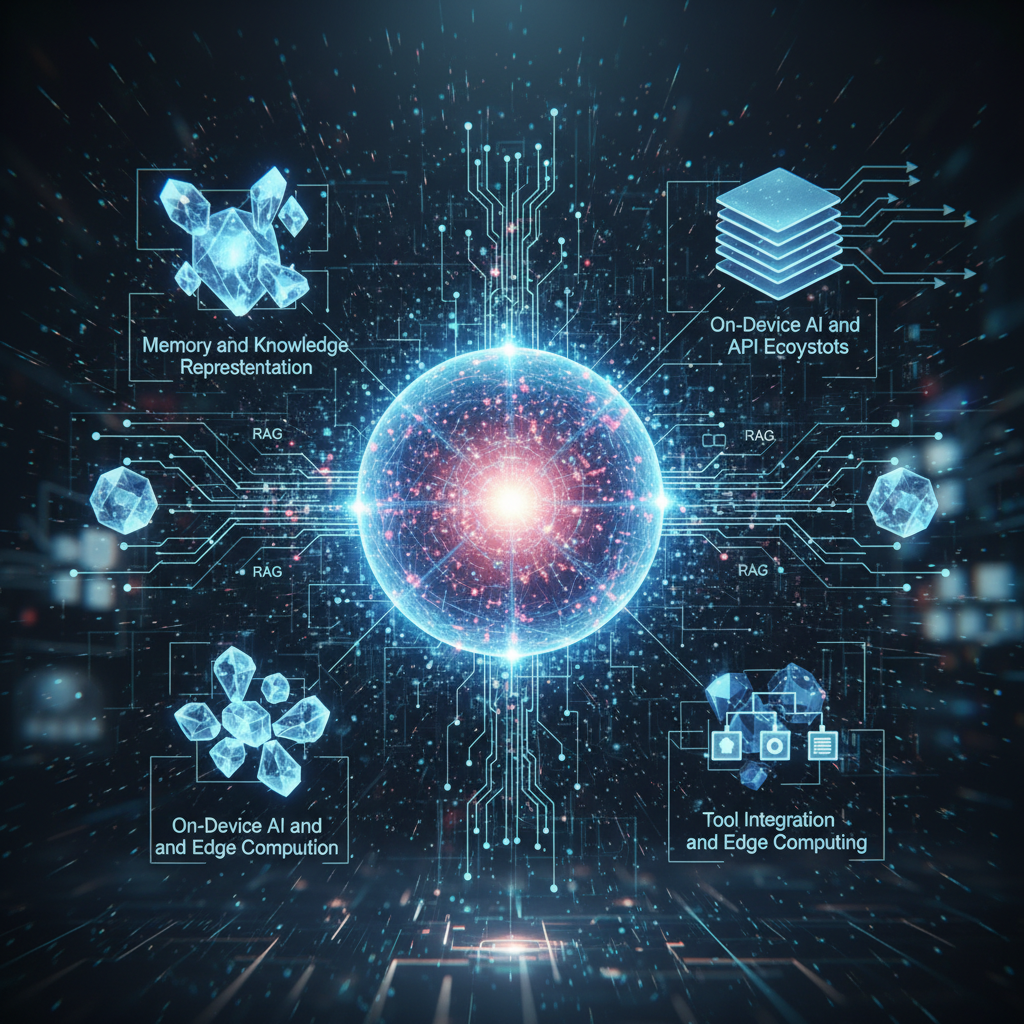
Memory and Knowledge Representation:
- Short-Term Memory (STM): Maintains context in ongoing interactions.
- Long-Term Memory (LTM): Stores user knowledge, preferences, and routines, often utilizing vector databases and knowledge graphs.
Other crucial technologies include:
- On-Device AI and Edge Computing: Enables enhanced privacy, security, reduced latency, and greater context awareness by processing tasks locally.
- Reinforcement Learning (RL): Allows PAIAs to learn from experience and feedback, optimizing strategies over time.
- Tool Integration and API Ecosystems: Facilitates interaction with external applications and services for broad functionality (e.g., booking flights, managing calendars).
- Personalization and Adaptability: PAIAs are designed for continuous learning from user interactions to improve personalization.
- Multi-Agent Systems: Specialized AI agents can collaborate to handle complex, multi-faceted tasks.
Benefits of Personal AI Agents
The widespread adoption of PAIAs offers significant advantages:
- Significant Productivity Gains and Time Savings: Automating tedious tasks frees up time for more meaningful pursuits.
- Increased Efficiency and Streamlined Routines: Intelligent orchestration leads to frictionless and maximized output.
- Reduced Mental Load and Stress: Alleviates the cognitive burden of daily management, promoting peace of mind.
- Greater Independence: Provides crucial support for older adults and people with disabilities in daily tasks and communication.
- Freedom to Focus: Allows individuals to concentrate on creative endeavors, strategic thinking, personal development, and relationships.
Challenges and Ethical Considerations
The rise of PAIAs also presents significant challenges:
Data Privacy Concerns:
- Mass Data Collection and Security Risks: PAIAs require vast sensitive data, creating risks of breaches and adversarial attacks.
- Informed Consent and Transparency: Challenges in understanding “black box” AI data usage and obtaining genuine consent.
- Surveillance and Profiling: Continuous monitoring raises concerns about potential surveillance and sophisticated profiling.
- Operationalizing Data Subject Rights: Difficulties in implementing rights like “the right to be forgotten.”
- Regulatory Compliance: Continuous challenges in adhering to data protection regulations (GDPR, CCPA).
- Mitigation Strategies: Strict data minimization, robust encryption, federated learning, and transparent disclosure are required.
Labor Impact and Societal Shifts:

- Job Displacement vs. Creation: Potential displacement of repetitive task jobs, alongside the creation of new AI-related roles.
- Psychological Impact: The shift in work nature can affect self-worth and purpose.
- Role Ambiguity: Division of labor between humans and AI can lead to unclear roles.
- Reskilling and Upskilling: Imperative need for massive investment in training programs.
- User Autonomy: Over-reliance could stifle personal development and decision-making.
- Mitigation Strategies: Designing AI-augmented workflows that empower, establishing ethical AI frameworks, and ensuring equitable benefit distribution.
Future Outlook for Personal AI Agents

The future of PAIAs promises further integration and transformation:
- Ubiquitous Integration and Hyper-Personalized Experiences: Seamless integration into daily life, anticipating needs with uncanny accuracy.
- Evolution to Autonomous “Agents That Do the Work”: Moving beyond co-pilot roles to independent task completion with minimal oversight.
- Transformation of Work, Learning, and Communication: Fostering new collaboration modes, personalized education, and efficient information exchange.
- Advanced Health and Well-being Monitoring: Sophisticated non-invasive monitoring, predictive analytics, and personalized interventions.
- Projected Economic Growth: Efficiency gains are expected to spur economic growth, necessitating careful societal consideration.
- Intensified Cybersecurity Threats: Increased attractiveness as targets demands continuous innovation and robust governance.
- Responsible Development and Ethical Integration: Success hinges on ethical practices and prioritizing human values and well-being.
In conclusion, Personal AI Agents are set to usher in an era of unprecedented efficiency and convenience. While the benefits of AI automation are vast, navigating challenges like data privacy and labor impact is crucial. Responsible development and ethical integration are paramount to ensure this revolution serves humanity’s best interests, leading to an automated tomorrow powered by intelligent Personal AI Agents.